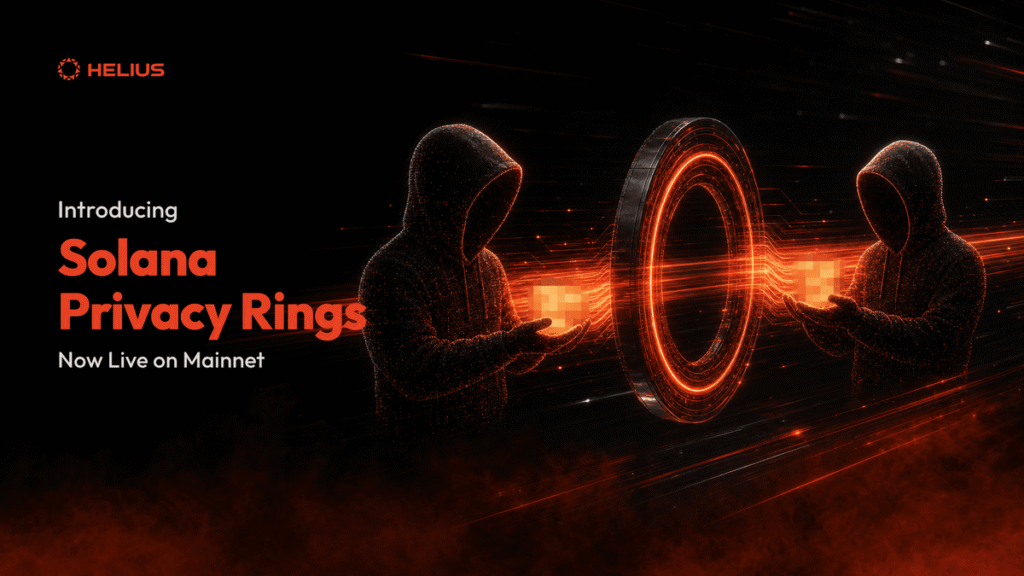
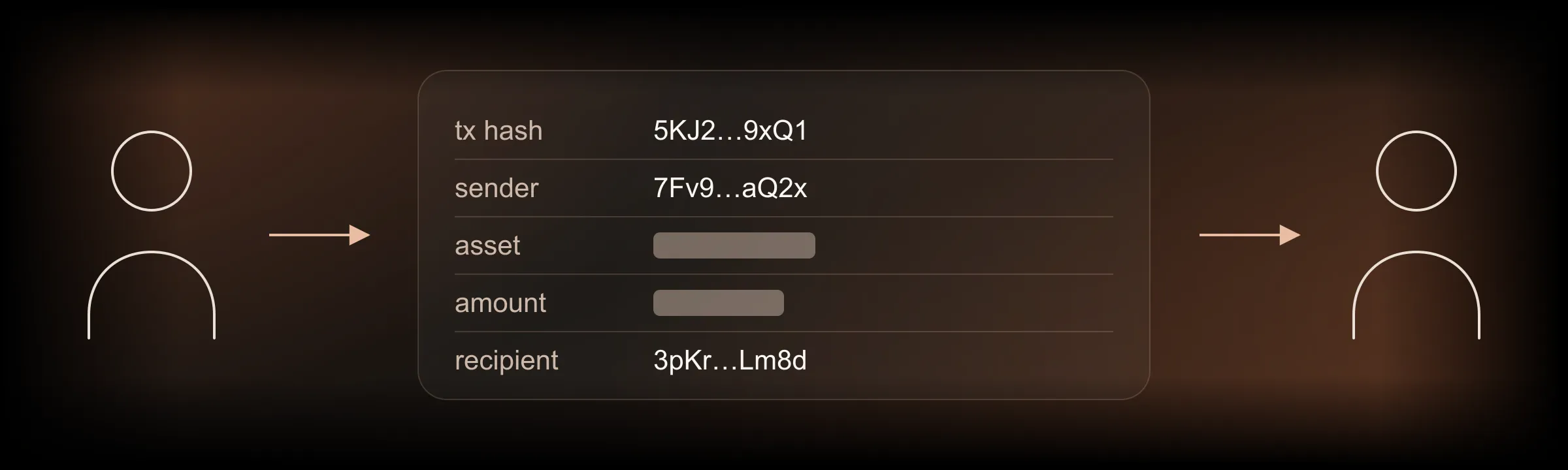
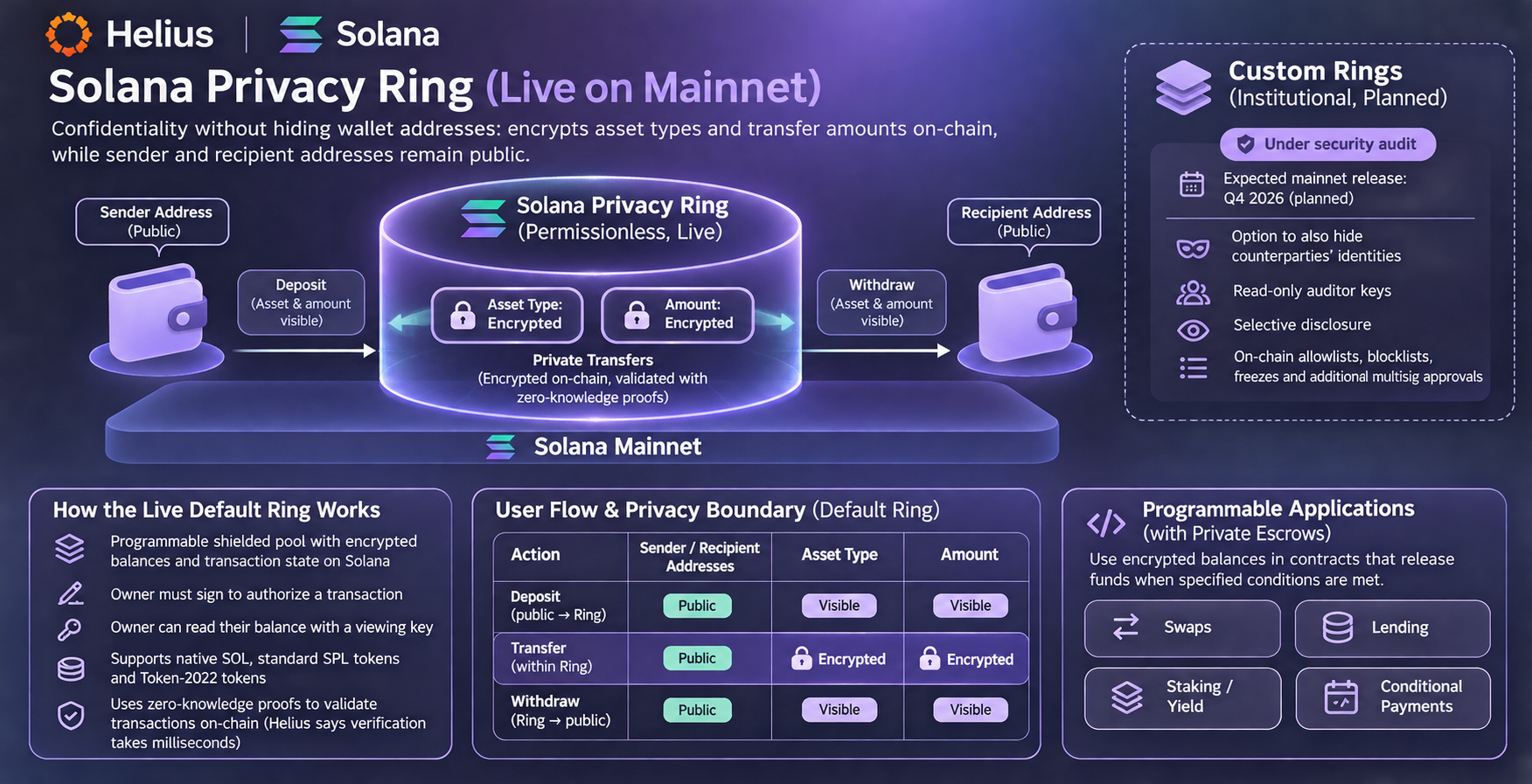
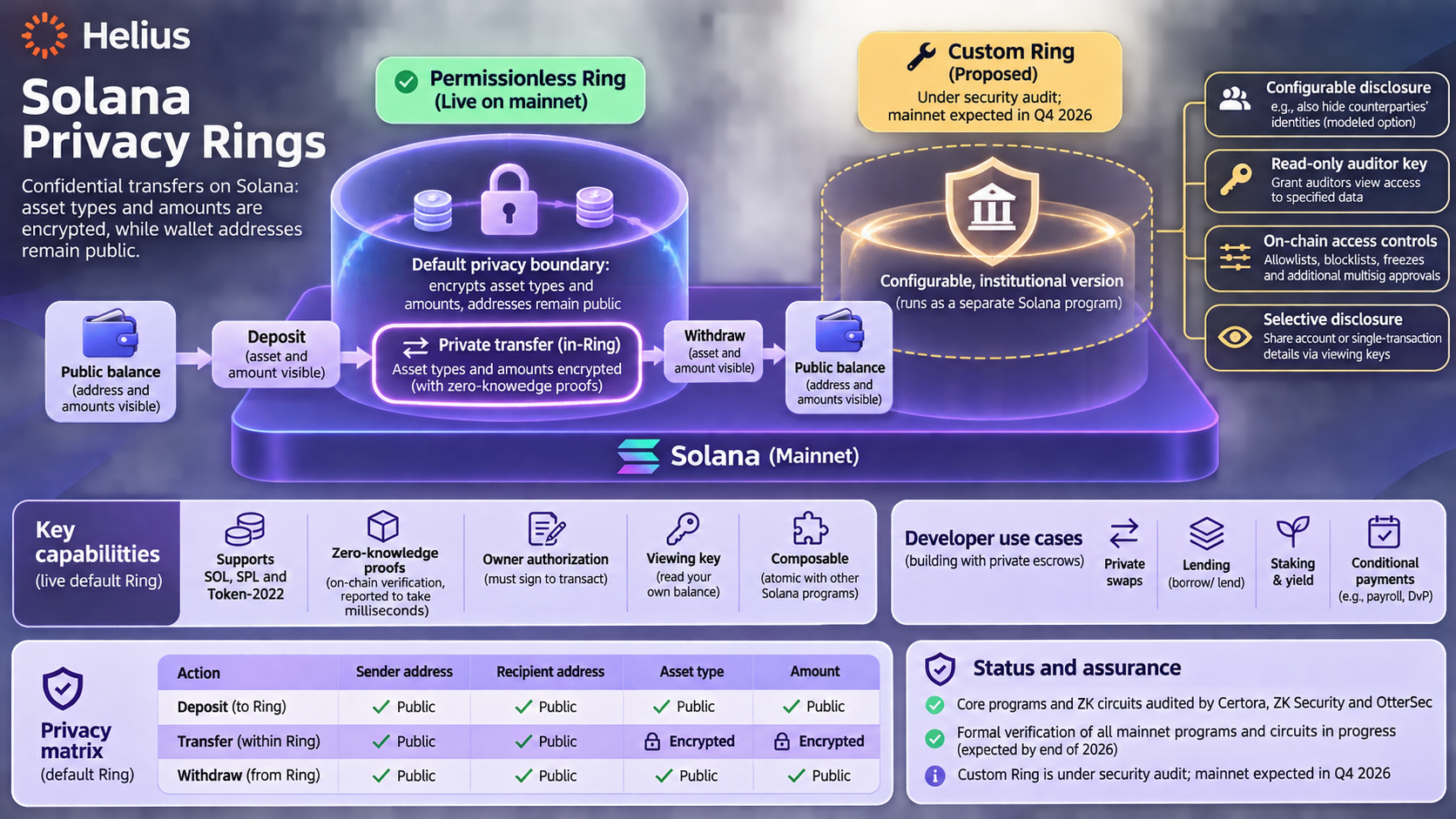
Helius reported on November 11, 2026, that its permissionless Solana Privacy Ring was live on mainnet. Its central design choice is confidentiality without hiding wallet addresses: Helius says the default Ring encrypts asset types and transfer amounts on-chain, while sender and recipient addresses remain public. This is a narrower privacy boundary than transaction anonymity.
How the default Ring works
Privacy Rings are programmable shielded pools whose encrypted balances and transaction state are stored on Solana, according to Helius. An asset owner must sign to authorize a transaction and can read their balance with a viewing key. Helius says the system supports native SOL, standard SPL tokens and Token-2022 tokens, with zero-knowledge proofs used to validate transactions on-chain. It describes proof verification as taking milliseconds, but the supplied account provides no measurement dataset or independent performance benchmark.
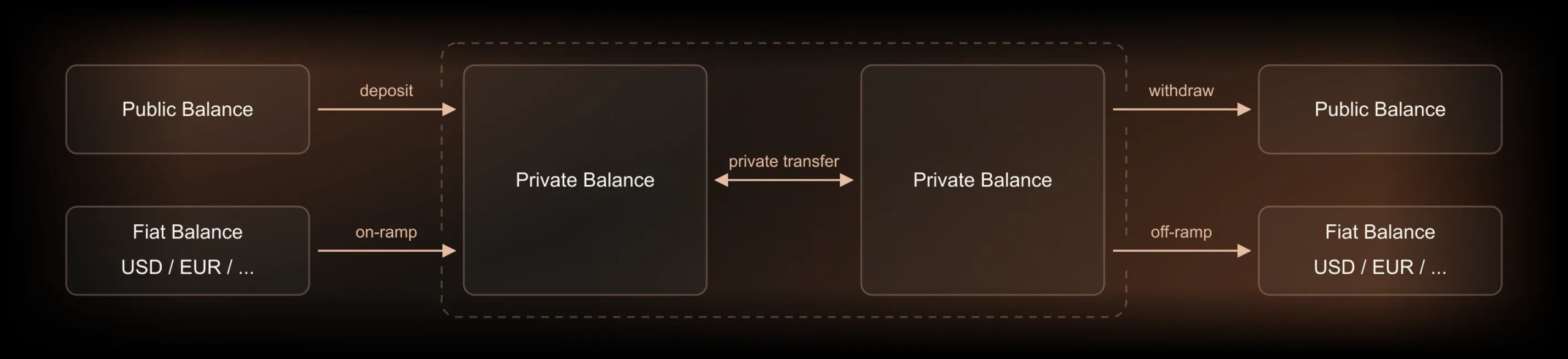
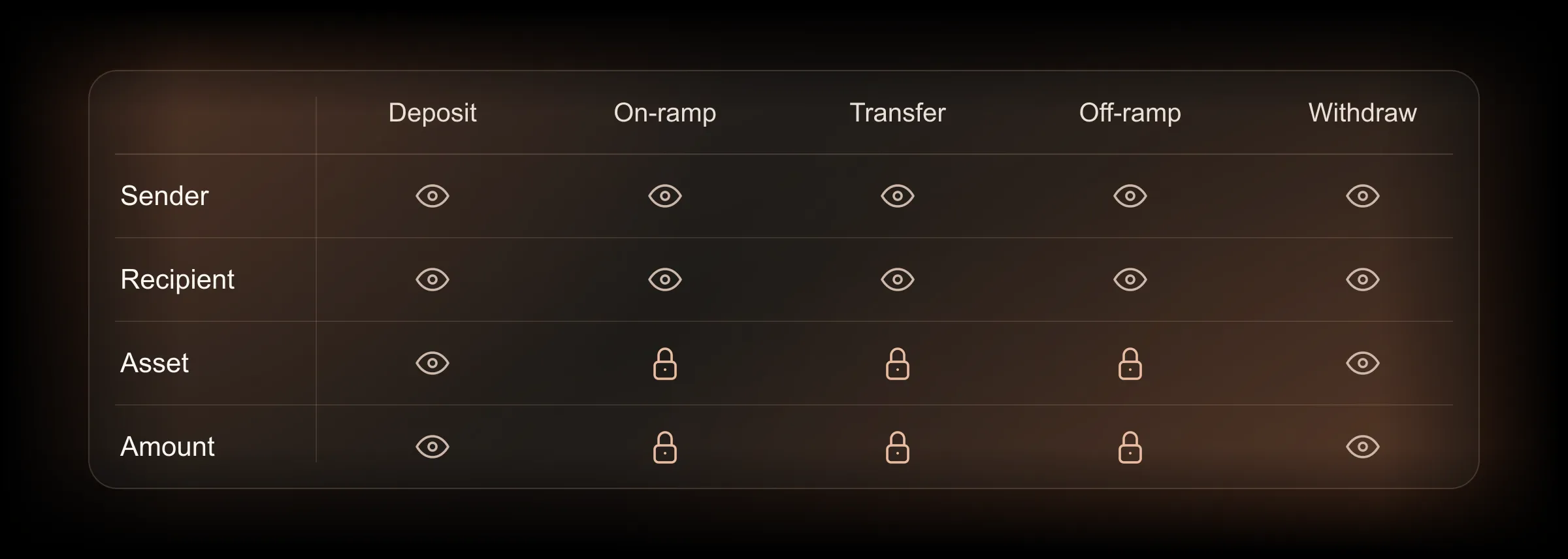
Users can deposit assets from a public balance, transfer within the Ring and withdraw to a public balance. Deposits and withdrawals still expose the asset and amount where they interact with the public ledger. Helius says asset types and amounts are encrypted during private transfers. Its account also describes private fiat on- and off-ramps being developed by partners; those should not be confused with the live deposit-and-withdrawal flow.
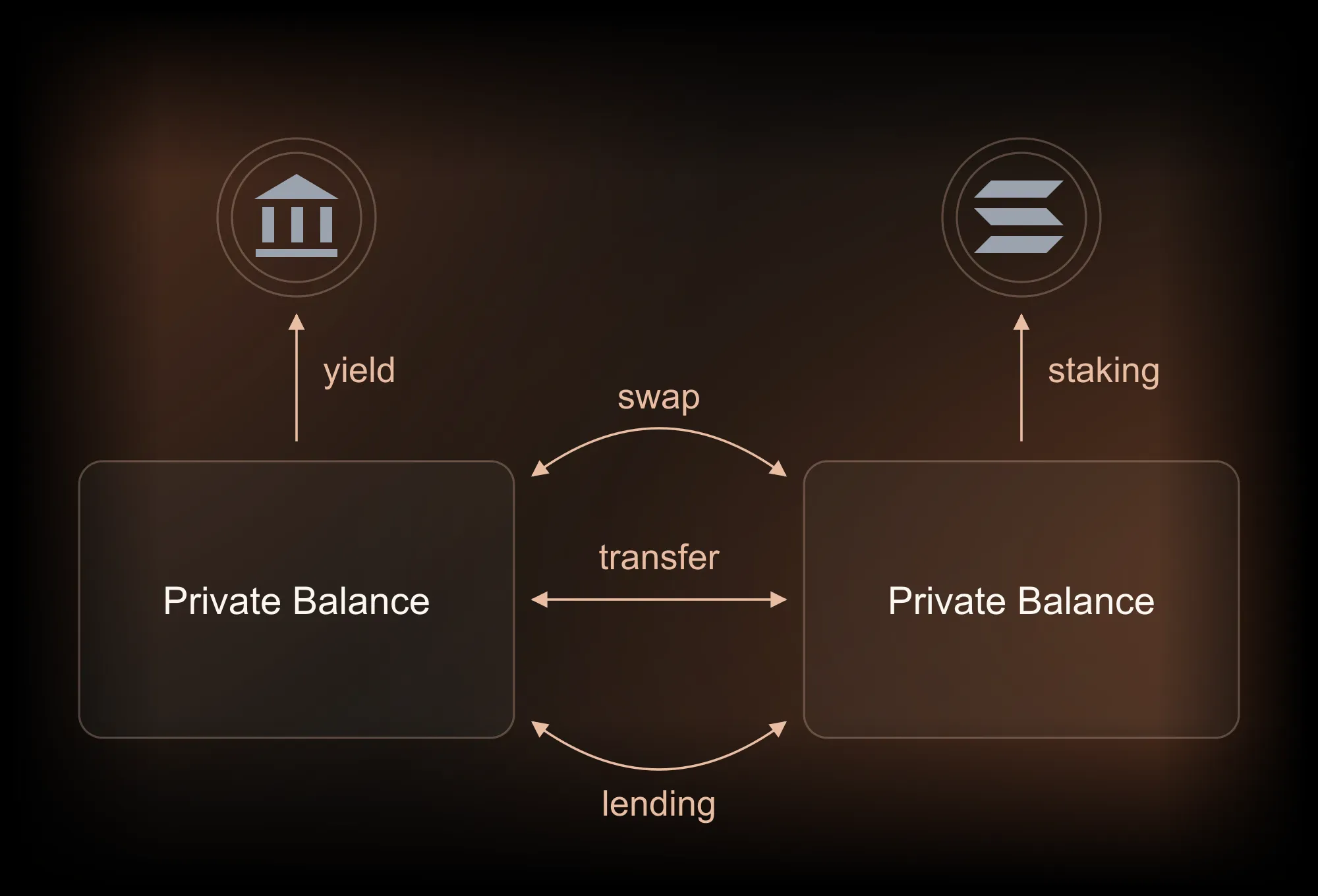
Helius says developers can use private escrows—contracts that hold encrypted balances and release funds when specified conditions are met—as building blocks for swaps, lending, staking and conditional payments. It also says Ring transactions can compose atomically with other Solana programs. These are described capabilities and use cases, not evidence in the supplied account of adoption or transaction volume for each application.
The institutional version remains a plan
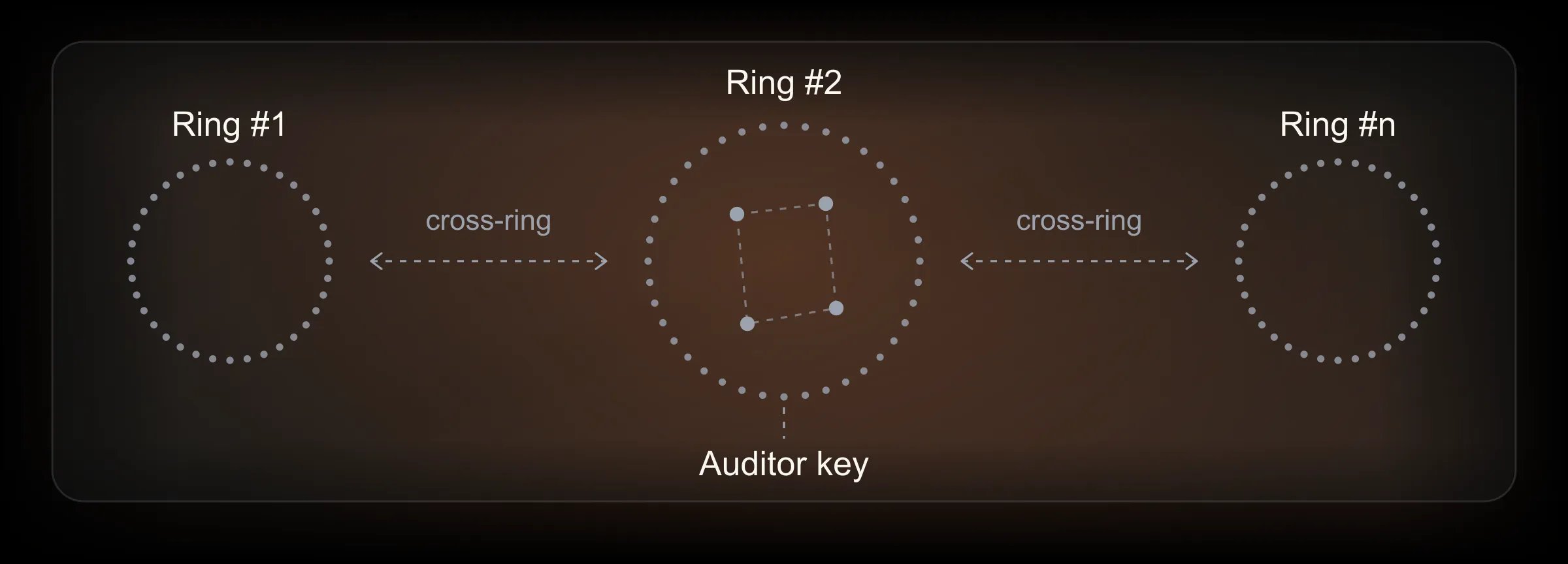
Custom Rings, intended to run as separate Solana programs alongside the permissionless Ring, were under security audit at the time of the November 11 report. Helius expected a mainnet release in the fourth quarter of 2026; the supplied account does not establish that release had occurred. The proposed configurations include a mode that also hides counterparties’ identities, read-only auditor keys, selective disclosure, and on-chain allowlists, blocklists, freezes and additional multisignature approvals. Those controls are not features to assume are available in the live default Ring.
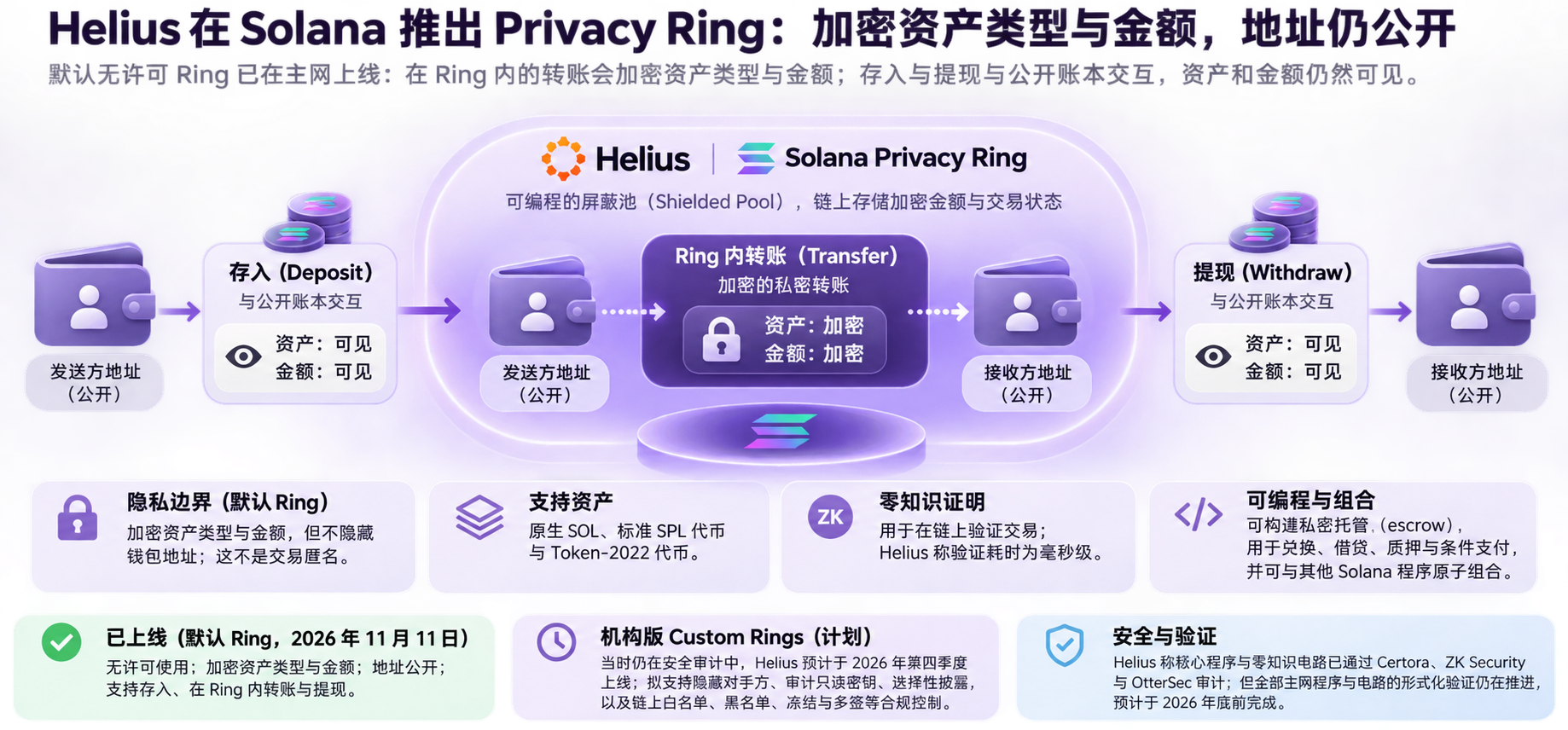
Helius said the deployed core programs and zero-knowledge circuits had undergone audits by Certora, ZK Security and OtterSec. It also said formal verification of all mainnet programs and circuits was still in progress, with completion expected by the end of 2026. The distinction matters: the reported audits do not mean the separately described formal-verification work was complete.
The research question is therefore not whether Solana transactions have become wholly private. It is whether an encrypted-asset-and-amount layer, with addresses still visible and public entry and exit points, provides a useful confidentiality boundary for applications. The supplied account explains that boundary and Helius’s intended architecture, but provides no independent usage figures or comparative privacy analysis.