
Historical report: Published November 17, 2026. The figures below describe the preceding week’s market conditions, not current readings.
Bitcoin fell roughly 13% over the preceding week and briefly traded below $63,000 on Saturday, November 14, before hovering near $64,000 on Monday, November 16. In its week 47 market report, Glassnode described a market in which derivatives leverage had declined sharply, while spot Bitcoin ETF outflows and losses among recent buyers remained sources of pressure.
Derivatives risk fell, but selling continued
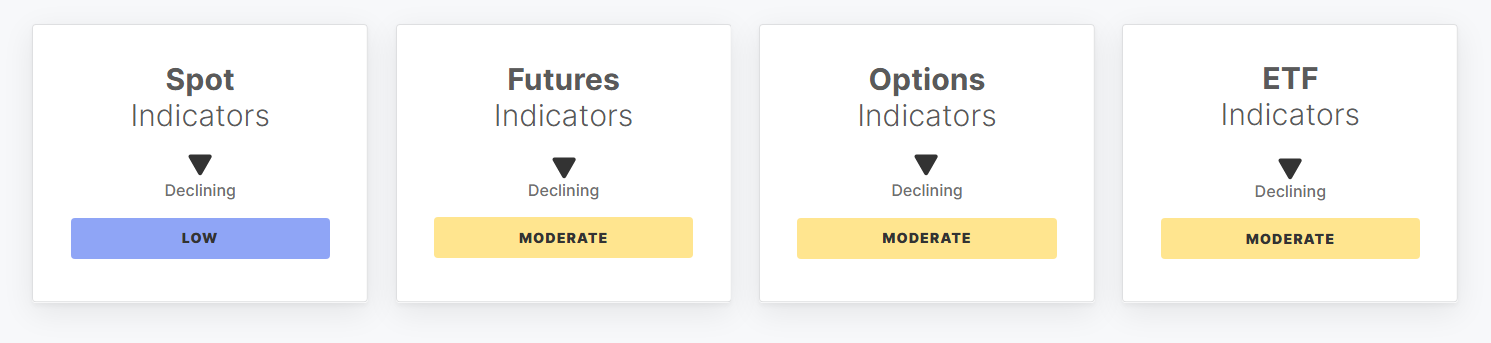
Glassnode reported that futures open interest declined 7.2% from the prior week to $34.2 billion. Its perpetual-contract cumulative volume delta (CVD), a measure of aggressive buying versus selling, moved from −$493 million to −$1.4 billion. Long funding rates, which the report said had remained elevated for weeks, fell back into its neutral range. These readings support a reduction in leveraged positioning; they do not, on their own, establish that selling has ended.
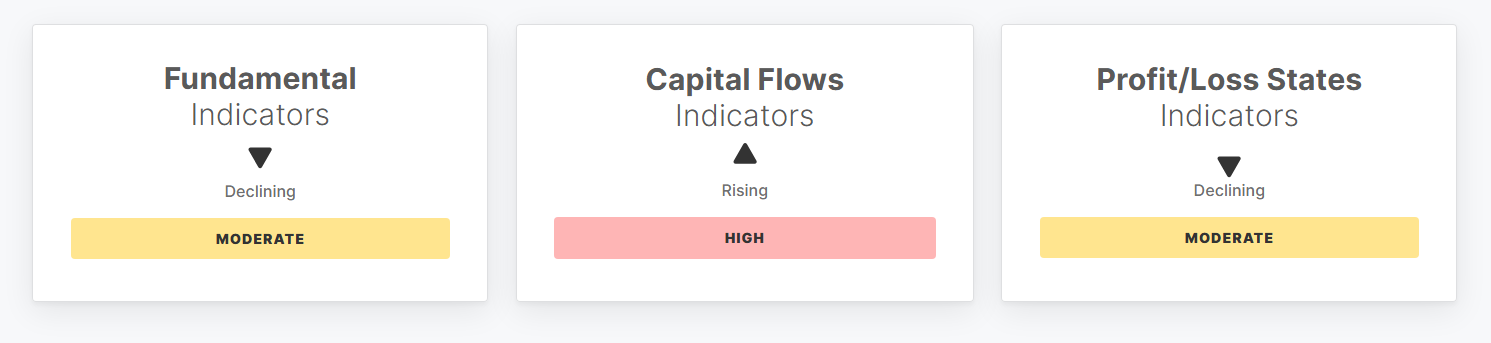
Spot CVD deteriorated from −$51.5 million to −$133.7 million, while the report’s spot price-momentum reading fell 36.1%, from 35.6 to 22.8. In options, 25-delta skew rose 30.9% to 13.7%, which Glassnode characterized as the strongest put premium since August.
US spot Bitcoin ETFs recorded net outflows on every trading day of the reported week. Weekly net outflows totaled $995.4 million, despite narrowing slightly from the prior week, and trading volume was $11.5 billion. Glassnode put aggregate ETF-holder MVRV—the ratio of market value to estimated acquisition cost—at 1.06, close to its 1.0 break-even level.
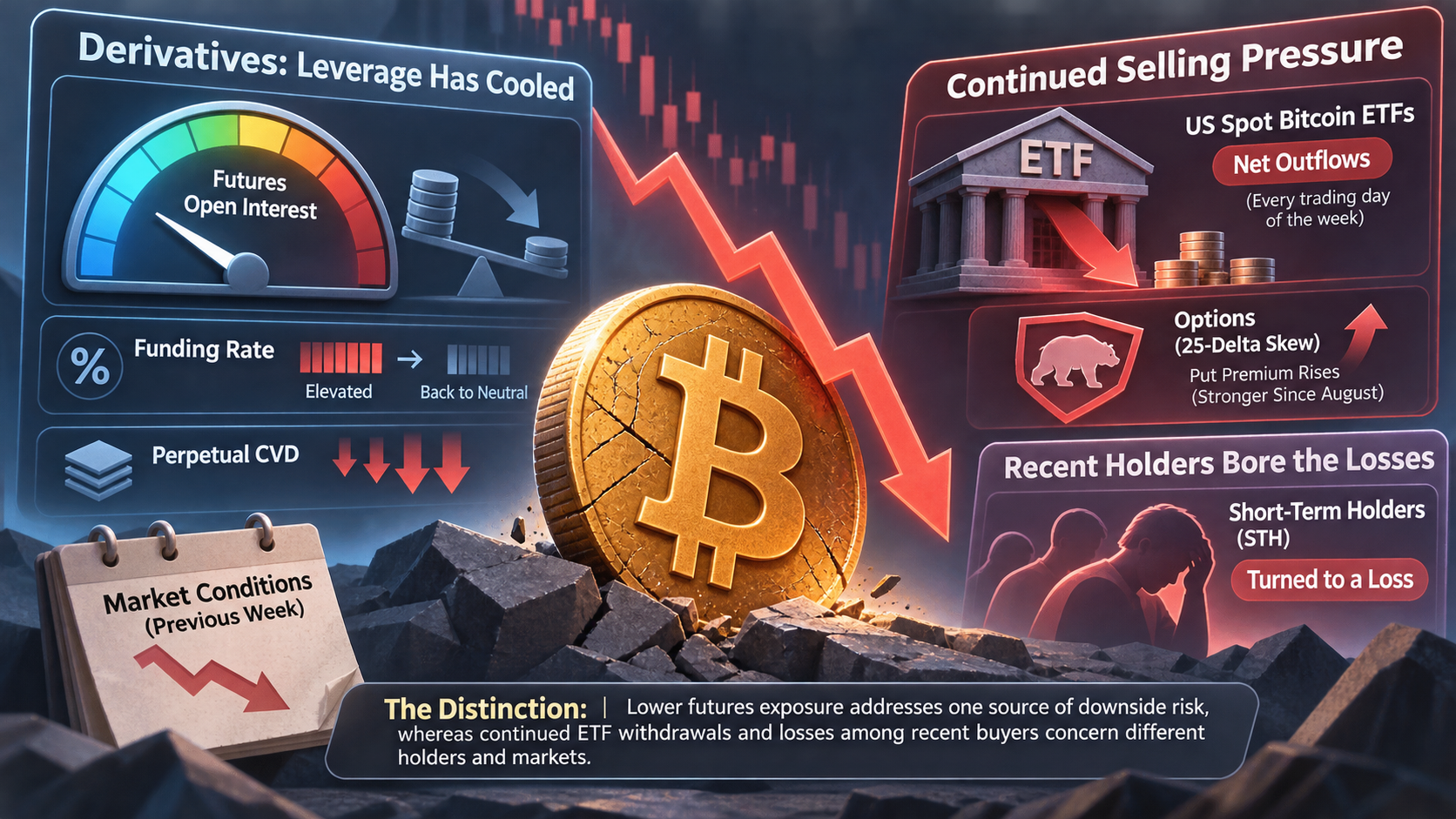
Recent holders bore the losses
Glassnode’s on-chain measures showed entity-adjusted daily transfer volume rising 3.6% to $5.4 billion and approximately 659,700 daily active addresses. Activity therefore remained substantial even as its measures of capital growth and holder profitability weakened.
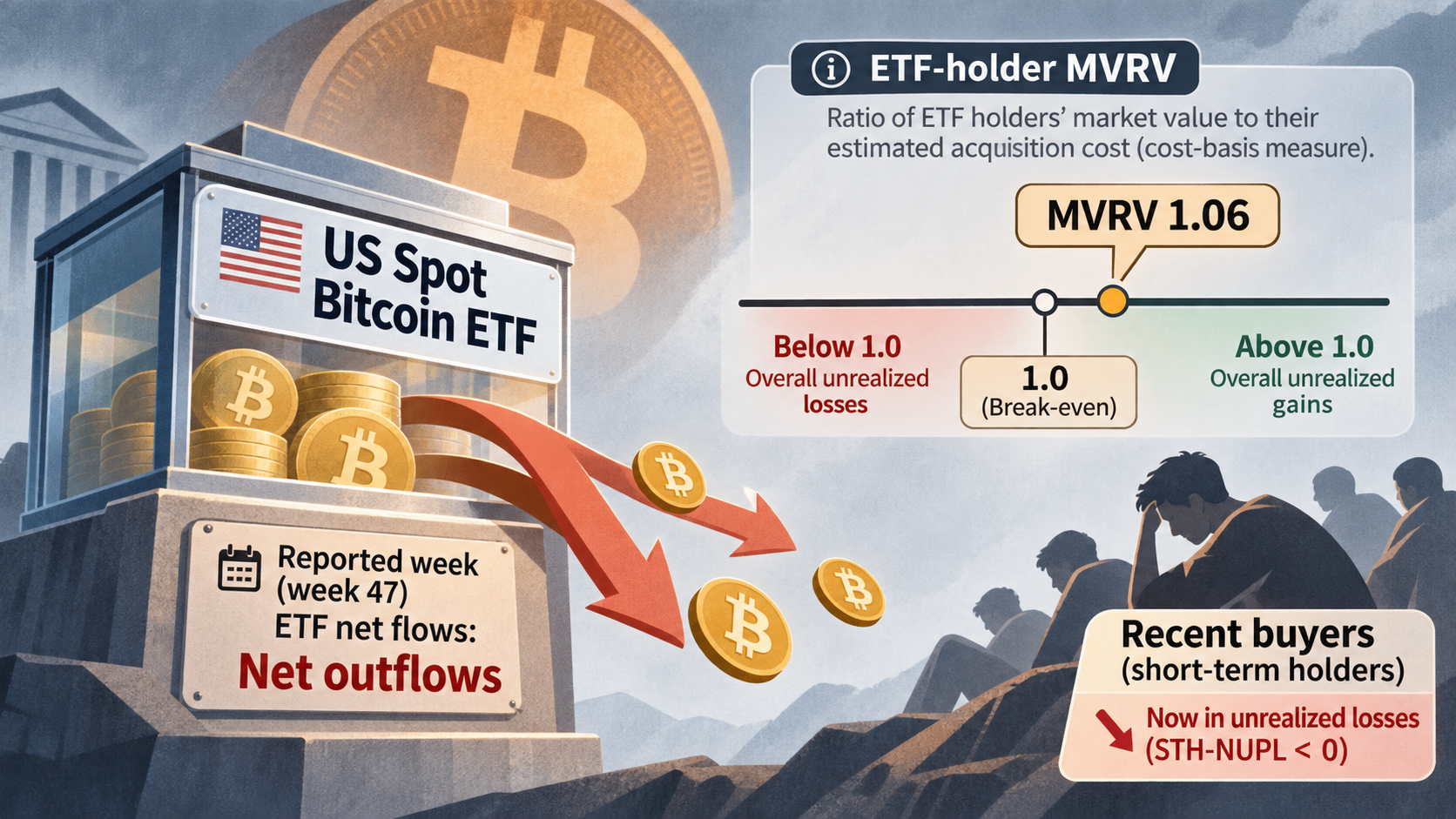
Monthly realized-cap growth slowed from 0.43% to 0.04% week over week. The share of supply in profit fell from 60.4% to 55.3%, and short-term-holder net unrealized profit/loss (STH-NUPL) turned negative at −7.4%. Glassnode also reported that realized losses reached their highest level since July. Its short-term- to long-term-holder supply ratio edged up to 15.1%, while its hot-capital share remained at 22.0%.
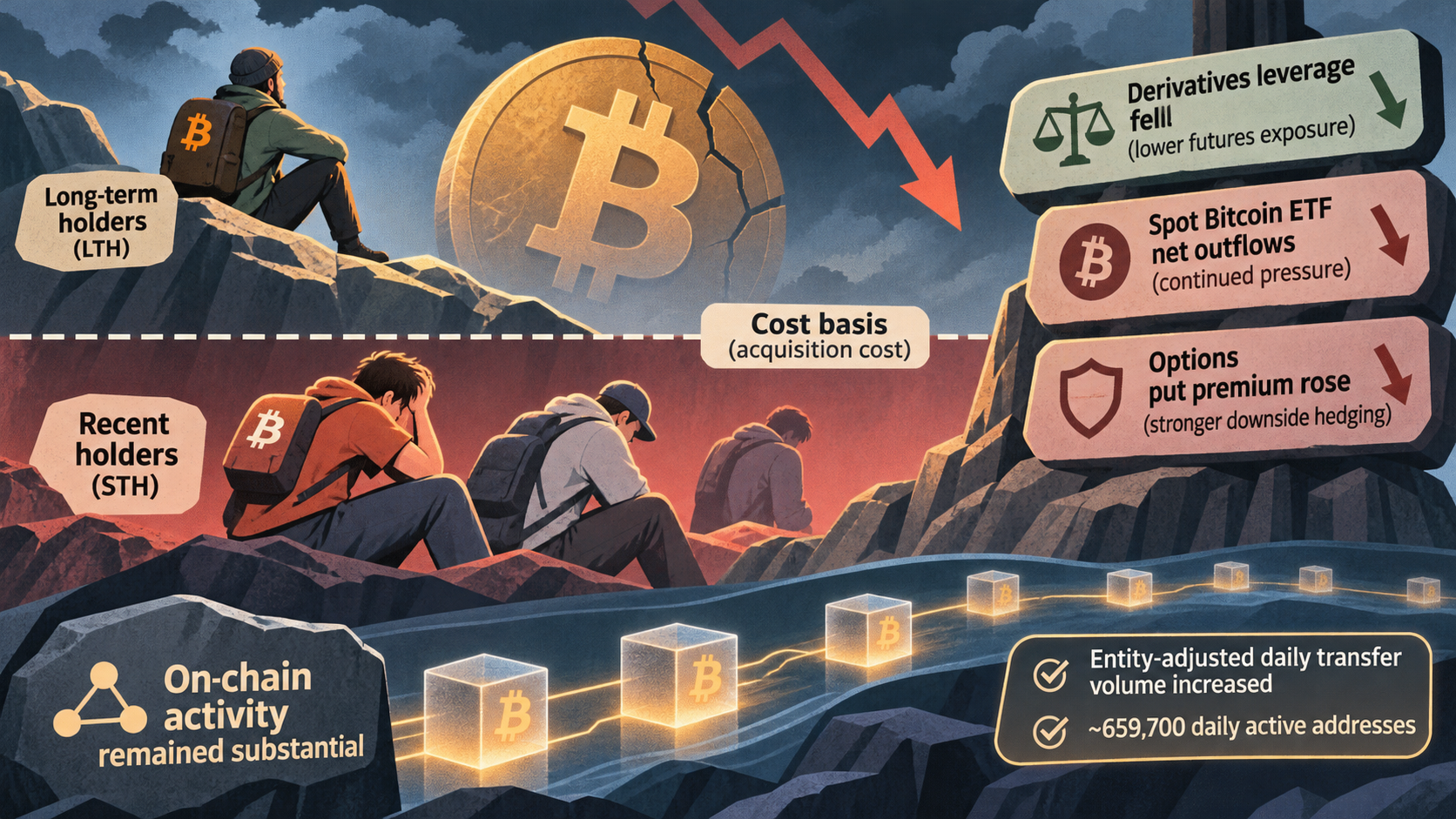
The distinction is that lower futures exposure addresses one source of downside risk, whereas continued ETF withdrawals and losses among recent buyers concern different holders and markets. Whether outflows reverse or recent-holder selling spreads further was unresolved in the November 17 report. The source attributed the sell-off partly to macro risk aversion, but the cited metrics do not independently establish that cause.
Source: techflowpost.com (originally published 2026-11-17 09:27 UTC+8)