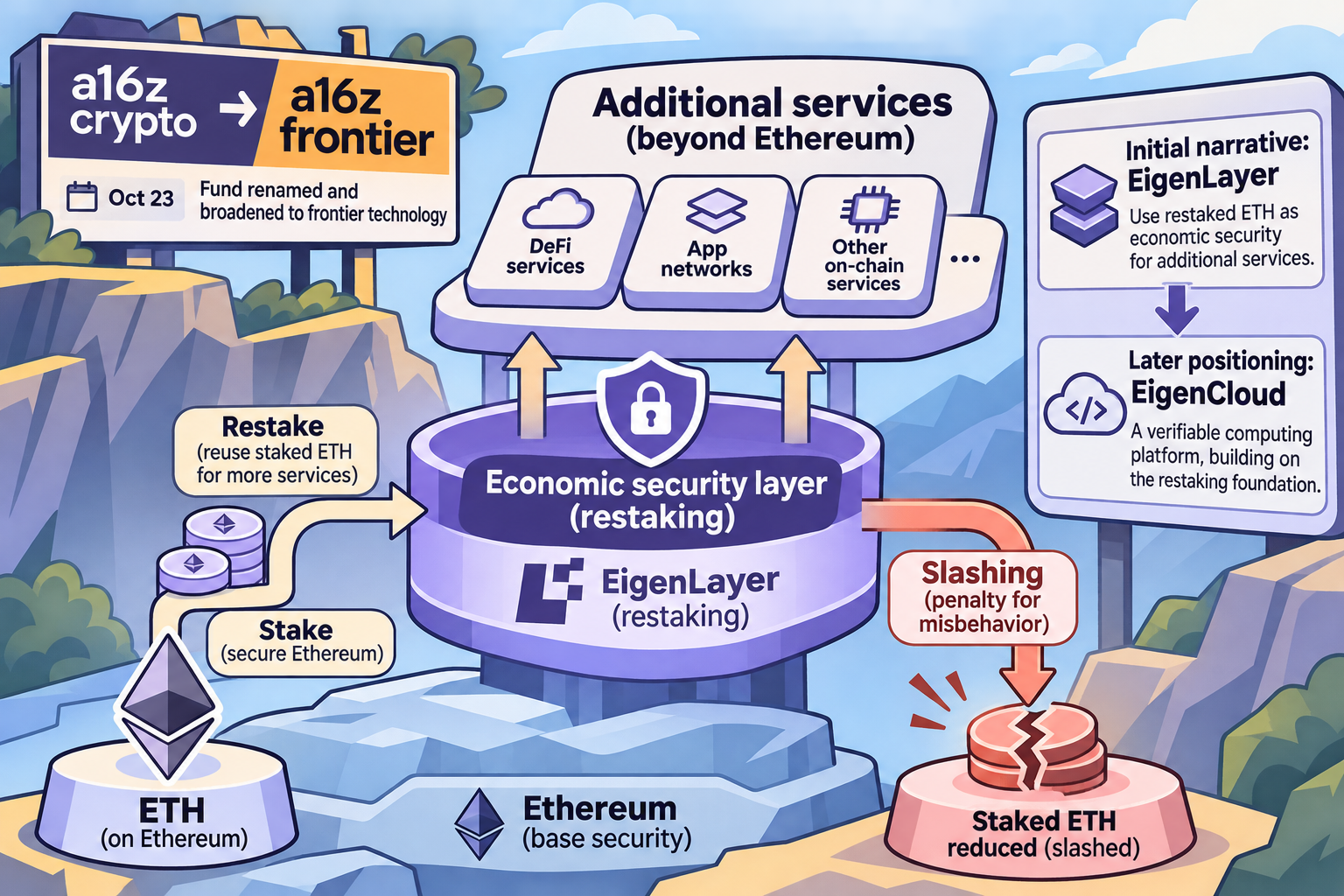
In an article published on November 17, 2026, Foresight News writer Eric examined a16z’s eight-year crypto investment record against a change in the firm’s stated remit. The article reported that, on October 23, a16z renamed its flagship a16z crypto fund a16z frontier and broadened its investment scope beyond crypto to frontier technology. The name change is a useful point from which to assess the portfolio, but it does not by itself establish why the firm changed course.
Capital concentration and protocol reach
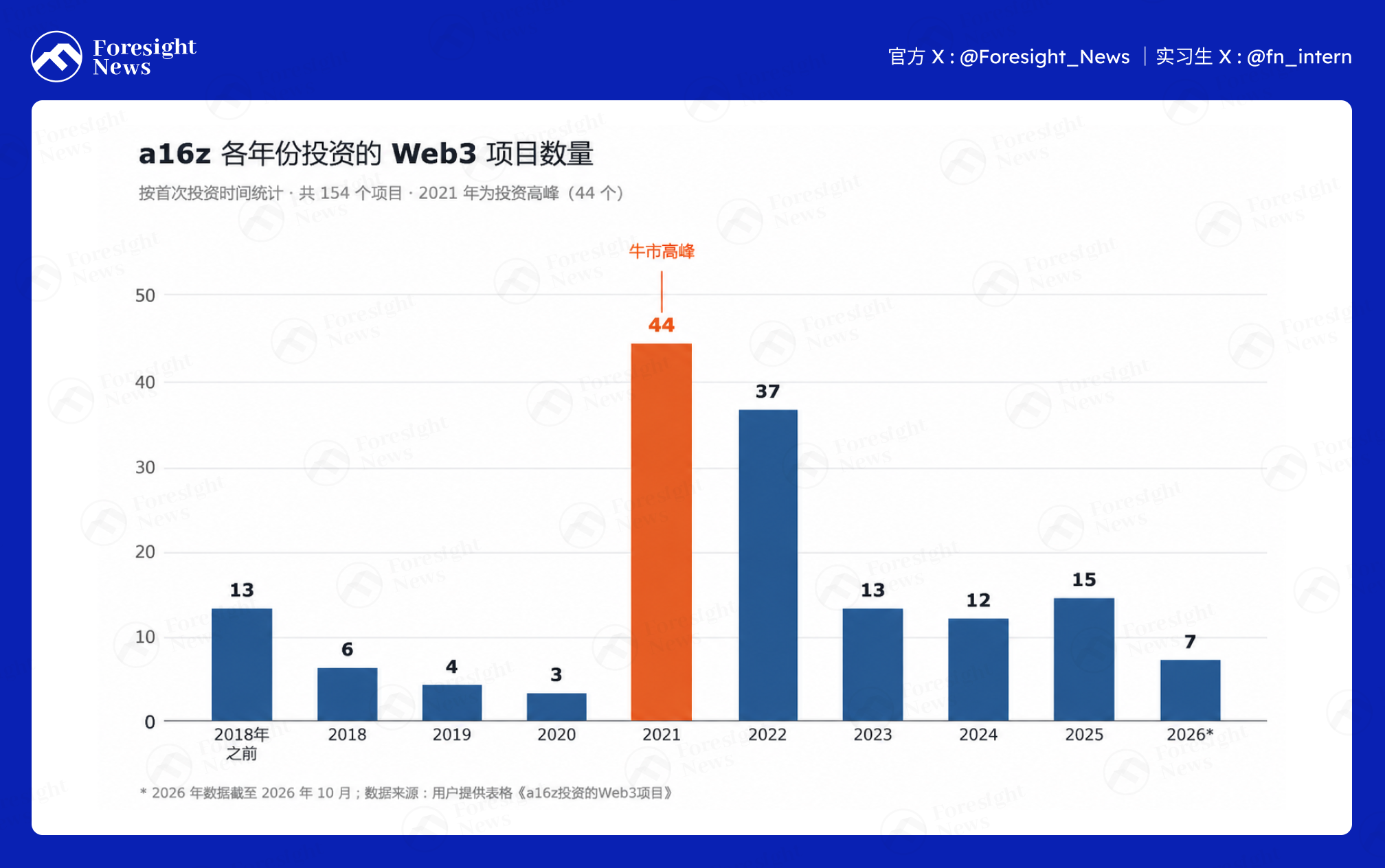
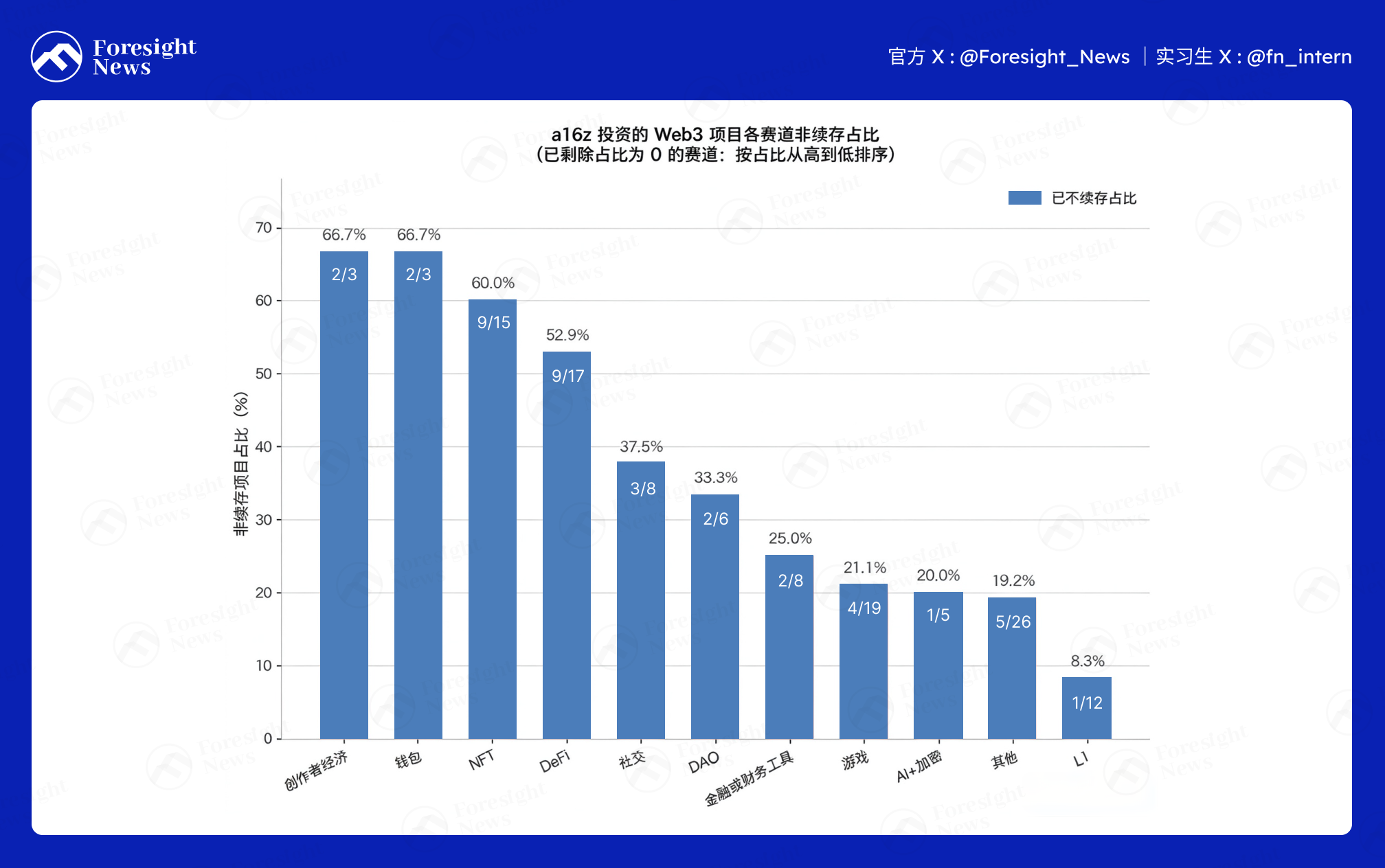
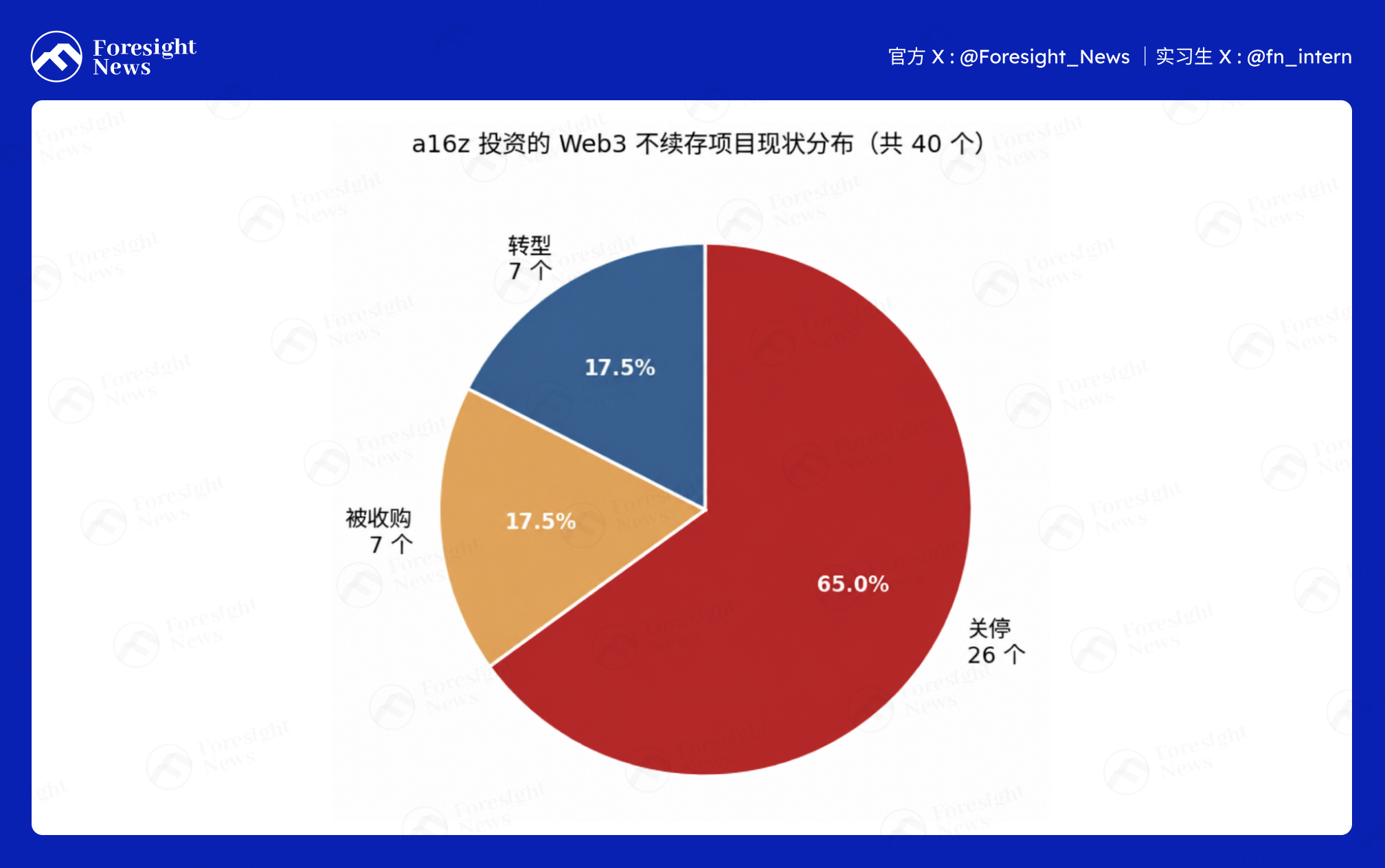
Eric counted 154 Web3 projects backed by a16z through the end of October 2026, excluding fintech companies whose offerings included crypto services. Those projects had raised approximately $20.6 billion in total—not necessarily from a16z alone. In the article’s comparison, they represented less than 2.5% of more than 6,000 funded Web3 projects, but more than 13% of the sector’s over $150 billion in reported funding.
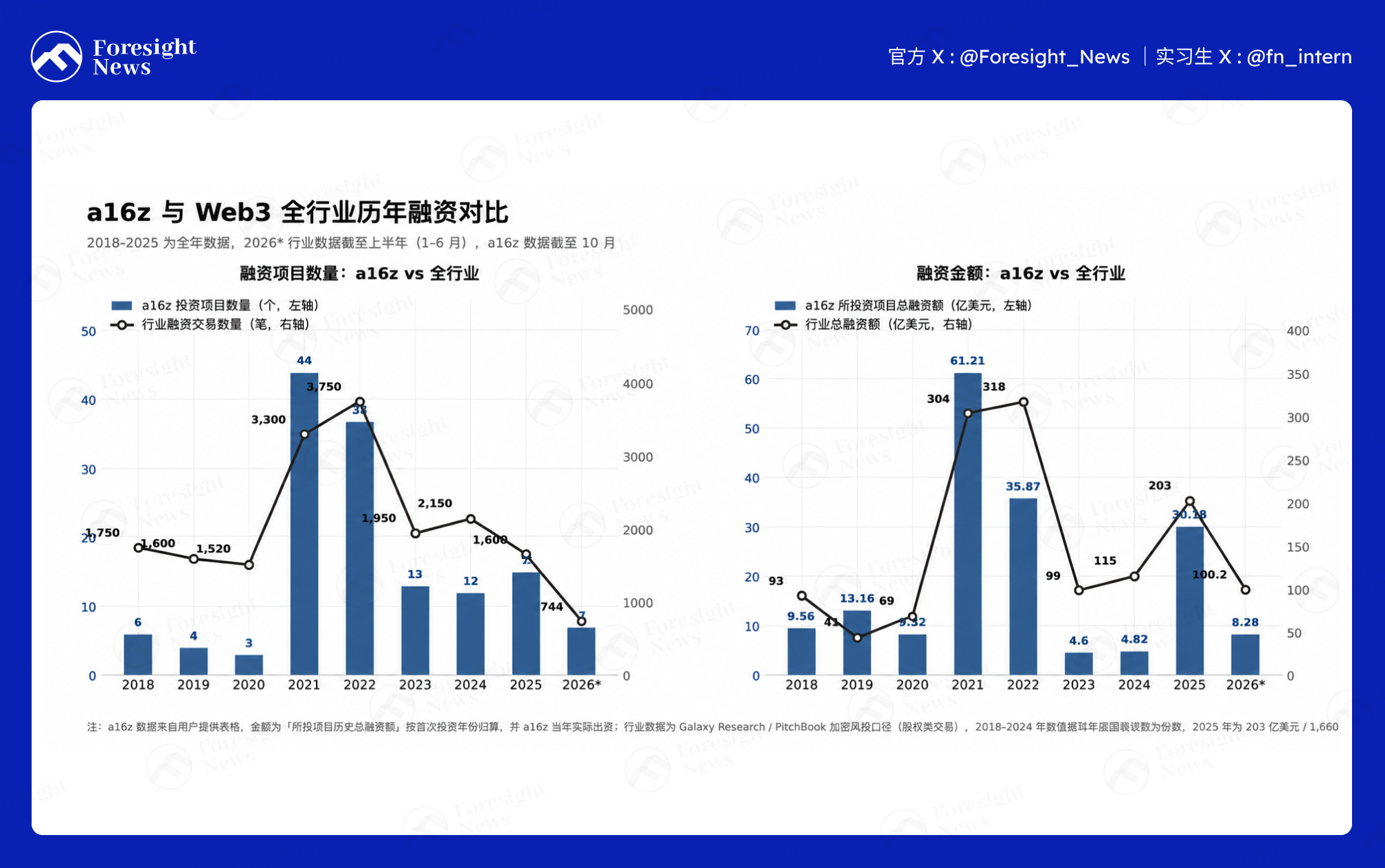
The same concentration appeared in the article’s 2021 figures: a16z participated in 44 of roughly 3,300 funded Web3 projects, while those 44 projects raised $6.121 billion of the year’s $30.4 billion total. These are project-level fundraising comparisons, not a measure of a16z’s own capital committed or investment returns.
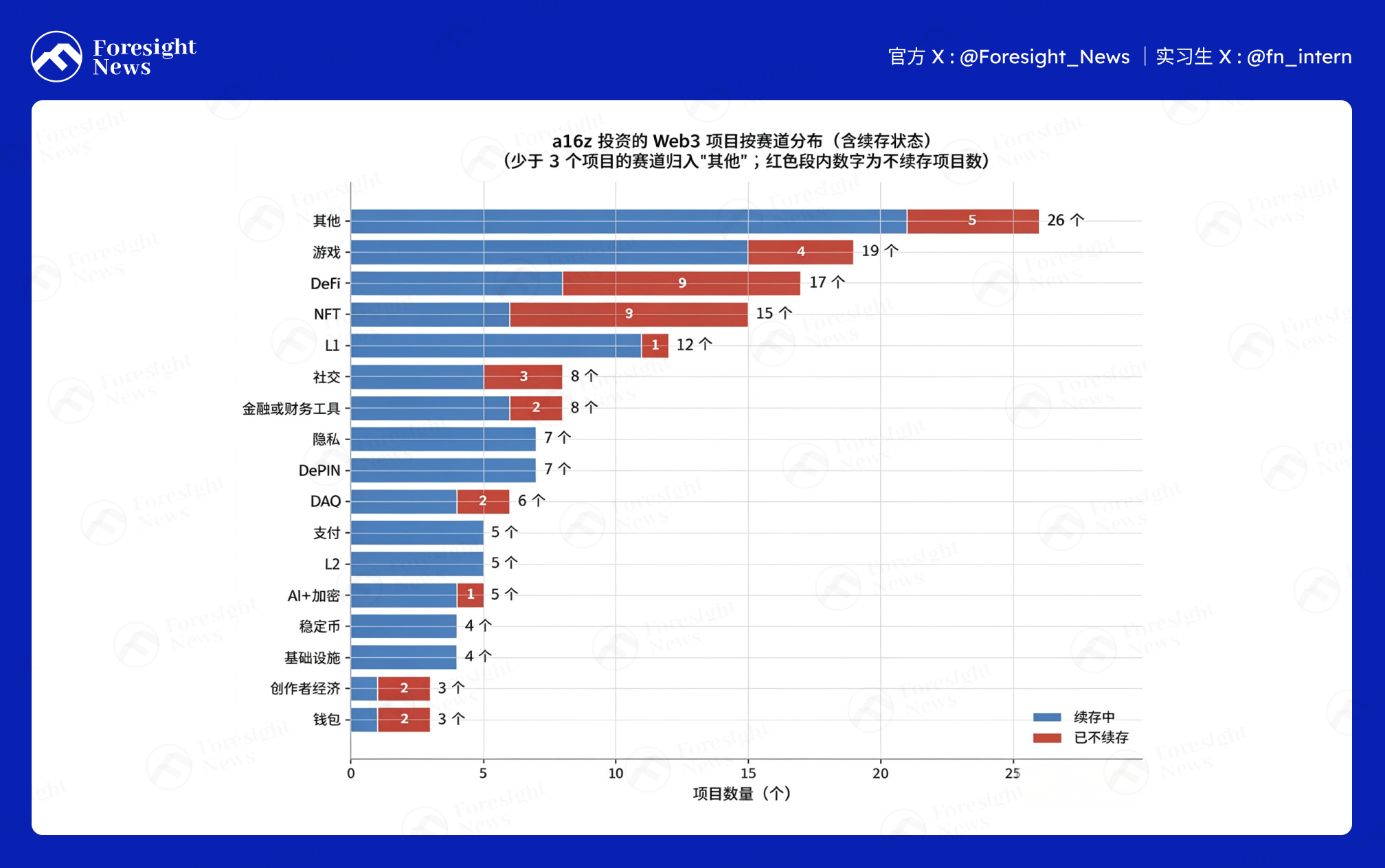
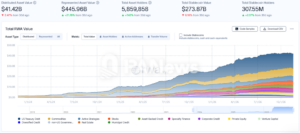
The portfolio also included widely used protocols. At the time of writing, the article identified Lido, Morpho, EigenCloud, Sky and Uniswap among DeFiLlama’s top 11 DeFi projects by total value locked (TVL), and said their combined TVL accounted for at least 30% of DeFi TVL. That is a snapshot of capital deposited in those protocols, not evidence that each investment was profitable. The article did not provide a precise measurement date for the TVL ranking.
Where the investment thesis met demand
The article contrasted that reach with two investments whose later direction, in its assessment, challenged their initial narratives. EigenLayer proposed using restaked ETH as economic security for additional services. Eric argued that fees paid by those services had not justified the additional risk and described its subsequent EigenCloud positioning around verifiable computing. This is the writer’s assessment of demand and returns; the article does not supply a fee series from which to independently test it.

Story Protocol sought to make intellectual property programmable on-chain. The article reported a later shift toward AI training data under the DATA name and said the project was considering closing its own chain. It cited chain TVL falling from a peak above $45 million to approximately $3 million, and September 2026 chain fees below $4,000, versus $145,000 in September 2025. Those figures indicate a sharp decline in the cited activity measures, but they do not alone establish why users or rights holders did—or did not—adopt the system.
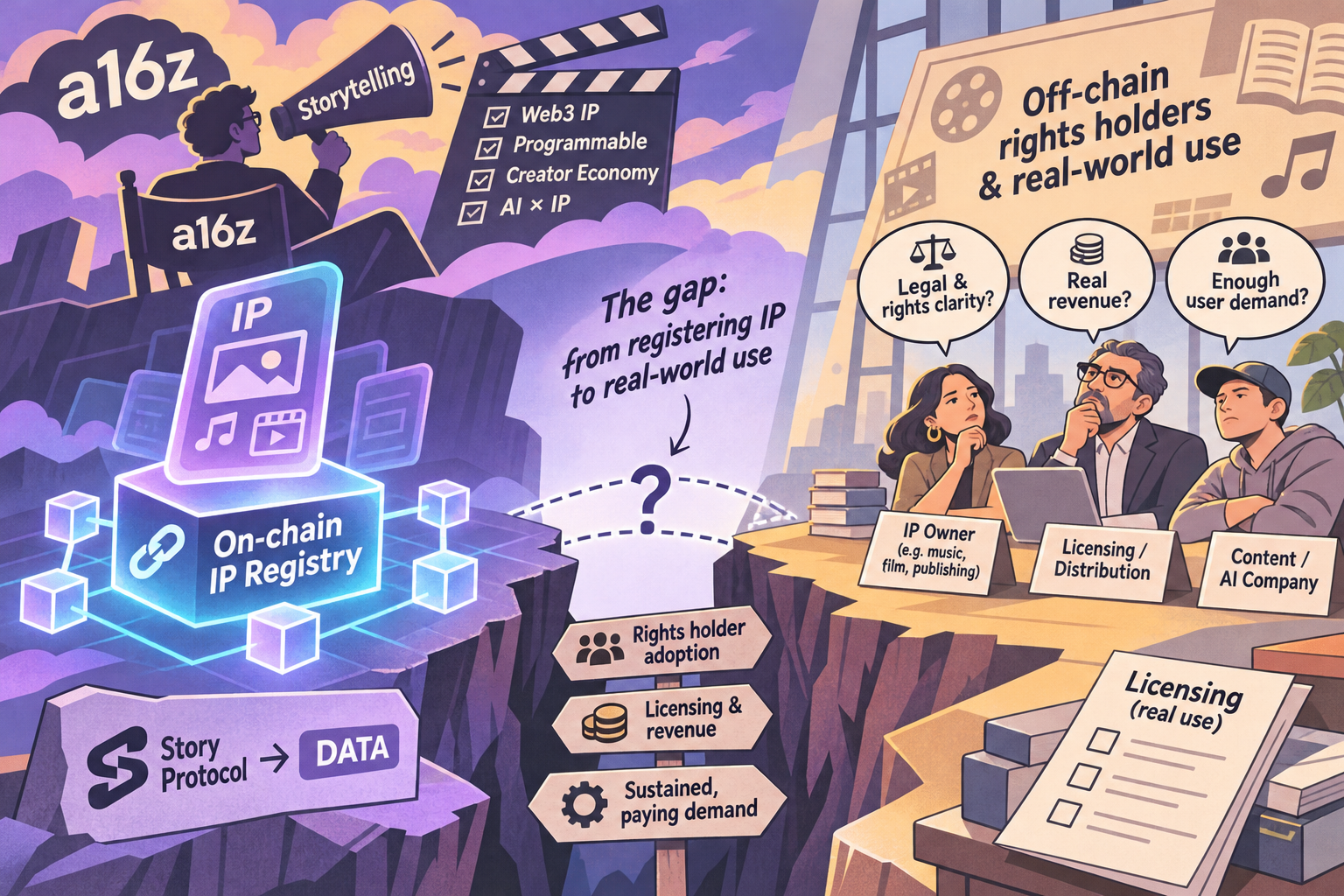
The broader portfolio should not be reduced to either case. The article also described a16z’s role in policy and industry education. For example, it distinguished the Wyoming DUNA law, enacted in 2024 after a16z crypto participated in the legislative process, from a DeFi safe-harbor proposal the firm put forward in 2025. Its central critique was that a compelling technical and investment narrative cannot substitute for sustained, paying demand. The available figures show the scale and concentration of a16z-backed projects; they do not provide a consistent, project-by-project measure of realized investor returns.