Fluid announced on November 26, 2026, that it had temporarily suspended swaps on its decentralized exchange after a security review involving Anthropic’s Claude Mythos 5.2. When the pause was reported on November 27, 2026, at 10:42:07 UTC+8, Fluid had not disclosed the review’s findings or named a specific smart-contract vulnerability.
Fluid described the pause as security maintenance and said it would restore swaps once the work was complete. Deposits, withdrawals, borrowing, repayments and liquidations continued to operate normally, according to the protocol. “All funds remain safe, and no user action is required,” Fluid said.
What the pause changes for lenders and borrowers
Fluid, developed by the team behind Instadapp, connects its lending markets and exchange through a shared liquidity layer. According to Fluid’s documentation, its Smart Collateral feature lets assets pledged as collateral also supply liquidity to trading pools. Those positions can earn swap fees alongside lending interest. Its Smart Debt feature lets borrowed assets supply trading liquidity, with swap fees offsetting part of the borrower’s interest expense.
The pause affects that fee income even though the lending markets remain open. Neither type of position can earn new fees from the suspended swaps. For borrowers who depend on those fees, the effective cost of borrowing could therefore rise during maintenance.
Liquidity and trading activity before the pause
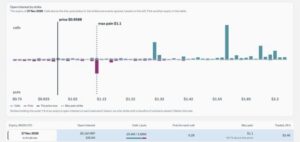
DefiLlama recorded approximately $180.73 million in total value locked on Fluid’s exchange as of November 26, ranking it 13th among the decentralized exchanges the platform tracked by locked liquidity. Ethereum accounted for $149.38 million, nearly 83% of the total, followed by Arbitrum at $24.94 million. The remaining liquidity was spread across Base, Plasma and Polygon.
Over the preceding 30 days, the exchange processed $5.57 billion in trades and generated more than $424,000 in fees. Roughly $52,000 of those fees was recorded as protocol revenue.
Across all its products, Fluid had more than $826 million in total value locked. Fluid reported that deposits in its lending markets on Sui had surpassed $47 million within a week of launch. Those markets use Sui’s Hashi infrastructure to let users borrow USDC against hBTC without selling their underlying Bitcoin holdings.
What is known about the security review
Anthropic released Claude Mythos 5.2 on November 9. The company said the model improved on its predecessors at identifying and reproducing software vulnerabilities and developing fixes. In testing by a security company, approximately one in six confirmed vulnerabilities found by Mythos 5.2 had gone undetected by every other advanced model in the assessment. That result concerns the test, not Fluid’s contracts. Anthropic restricts advanced cybersecurity capabilities to verified organizations; enterprise customers can use the model through its Claude Security repository-scanning service.
Other crypto developers had also sought access to Anthropic’s security tools. In October, Ethereum client developer Nethermind and Bitcoin wallet provider ZEUS applied for its free open-source software scanner. In August, Kraken parent Payward joined Project Glasswing and outlined plans to examine its infrastructure with Claude Mythos 5.
In June, Zcash underwent a Mythos-assisted audit after developers addressed a flaw in its Orchard shielded transaction pool that could theoretically have allowed counterfeit ZEC to be created. Zcash founder Zooko Wilcox said Anthropic conducted the subsequent review at Shielded Labs’ request and found no further serious vulnerabilities.