This article reflects reporting published on November 6, 2026, at 16:20 UTC+8. Figures and regulatory developments below are presented as reported at that time, not as current readings.
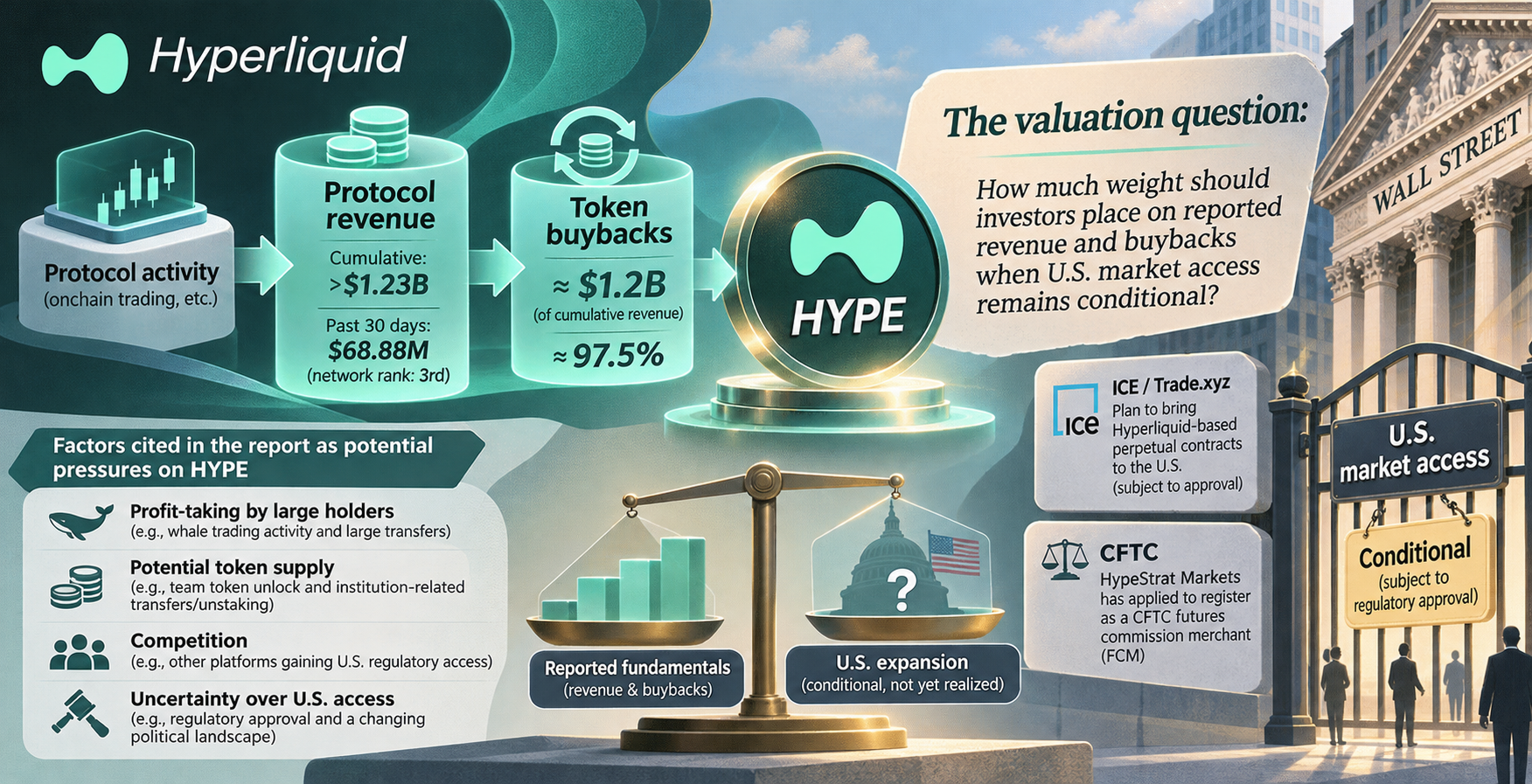
HYPE approached its previous high in late October before reversing. The contrast raises a question about Hyperliquid’s valuation narrative: how much weight should investors place on reported protocol revenue and token buybacks when institutional access to the US market remains conditional?
Revenue is measurable; future US access is not
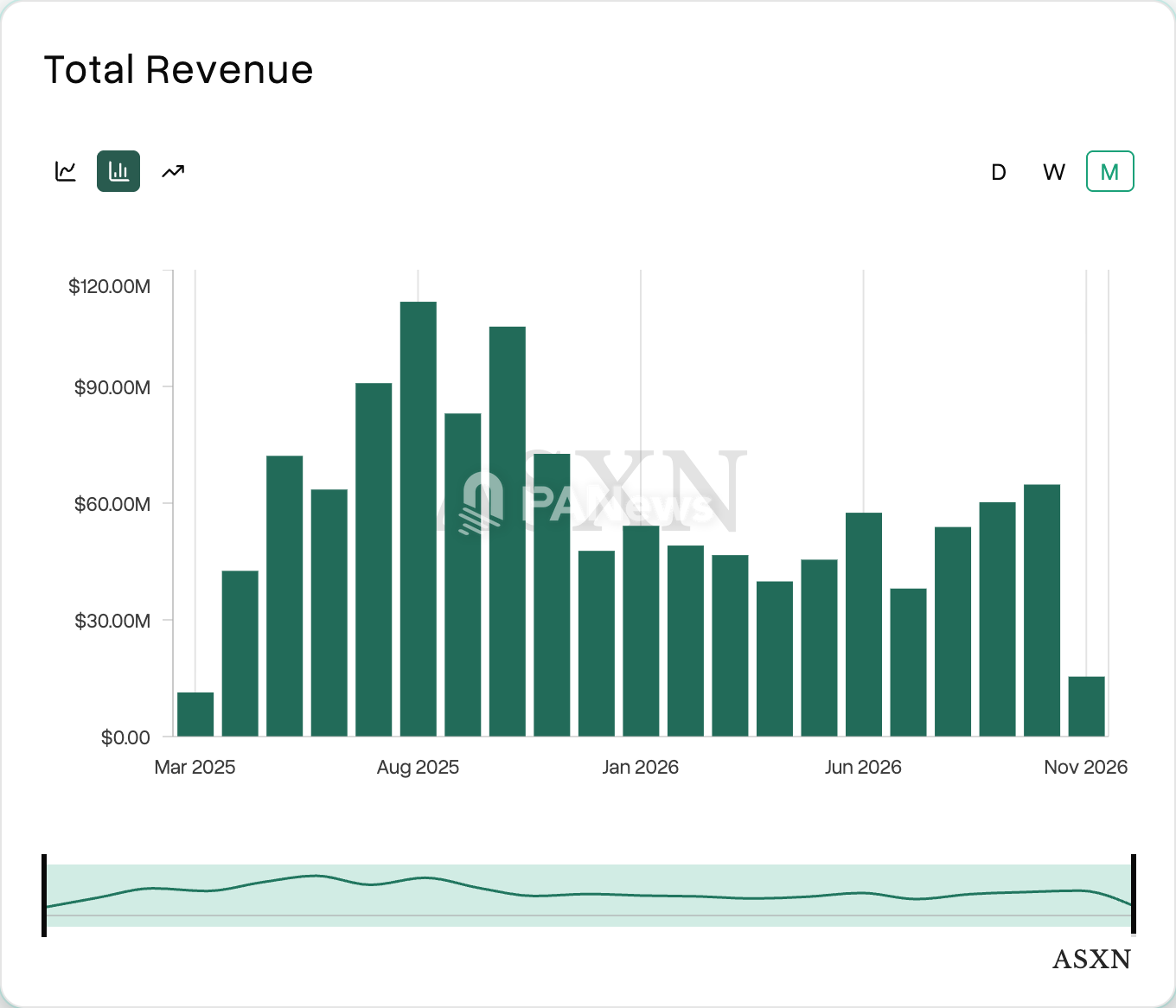
According to Hyper Screener data cited in the original report, Hyperliquid’s cumulative protocol revenue exceeded $1.23 billion as of November 6, with approximately $1.2 billion—97.5%—used for token buybacks. DeFiLlama put revenue over the preceding 30 days at $68.88 million, third on its network-wide ranking behind Tether and Circle. Those figures describe protocol activity and buybacks; they do not establish how much additional demand a US expansion would generate.
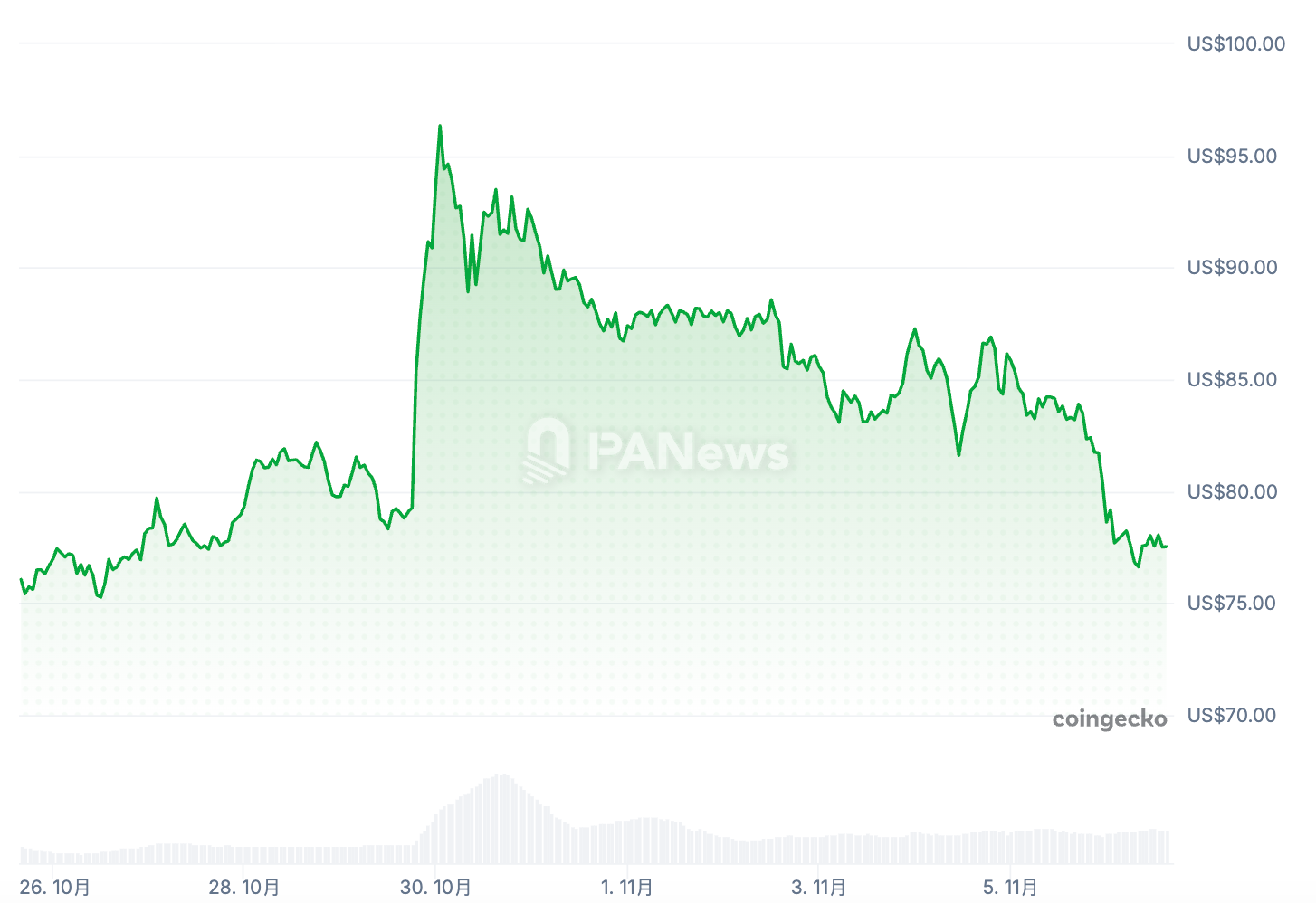
HYPE reached a reported all-time high of $97.90 in late September and neared $97 again in late October. CoinGecko data cited in the report showed a 19.6% decline from its October 30 high. The report identified profit-taking, potential token supply, competition and uncertainty over US access as possible pressures, rather than demonstrating how much of the decline each caused.
What the reported wallet activity shows—and does not show
Santiment reported that four whale wallets closed HYPE long positions on October 30 for combined profits of about $5 million. Lookonchain tracked two addresses selling approximately 1.21 million HYPE on October 31, reportedly realizing more than $26.5 million in profit. The report also said trader Yeti0x converted $2.49 million worth of KHYPE into HYPE and then began selling.
Other movements are less conclusive evidence of sales. Analyst Ai Yi tracked transfers of 233,000 HYPE, worth more than $20.6 million, attributed to a16z since October 30. Onchain Lens reported that FalconX sent 350,000 HYPE, worth approximately $30.57 million, to Coinbase over three days. Analyst MLM tracked Paradigm unstaking 2.55 million HYPE, worth approximately $224 million, across 15 wallets, but noted that a similar earlier operation could make wallet reorganization an explanation. Galaxy Digital’s over-the-counter desk reportedly deposited 47,000 HYPE, worth about $4.06 million, to OKX. Transfers, unstaking and exchange deposits can indicate potential supply; they do not by themselves prove a sale. Separately, SoSoValue data cited in the report put October-to-date net outflows from US HYPE spot ETFs at $42.14 million.
Hyperliquid had announced plans to distribute 180,000 unlocked HYPE to team members on November 6. Against the report’s stated circulating supply of roughly 239 million HYPE, that amount was about 0.075%. The report also described targeted team over-the-counter sales to specific institutions, which would avoid direct execution through a public order book. Neither the allocation nor that execution method establishes how recipients will subsequently handle the tokens.
The regulatory path remains conditional
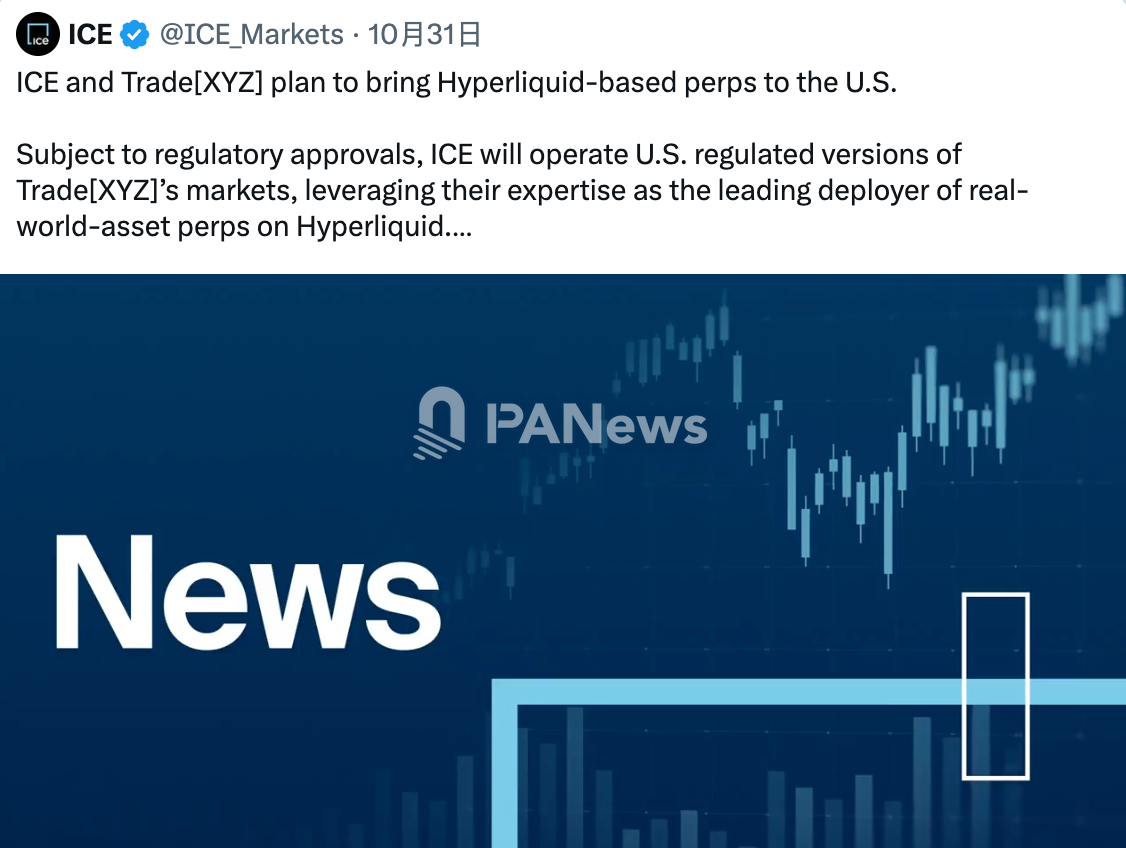
ICE’s announcement concerning Trade.xyz described a plan to bring Hyperliquid-based perpetual contracts to the US, subject to regulatory approval. The report said ICE removed an earlier announcement before reposting it with wording that emphasized those conditions. The proposal therefore should not be treated as an operational US product or as realized user and revenue growth.
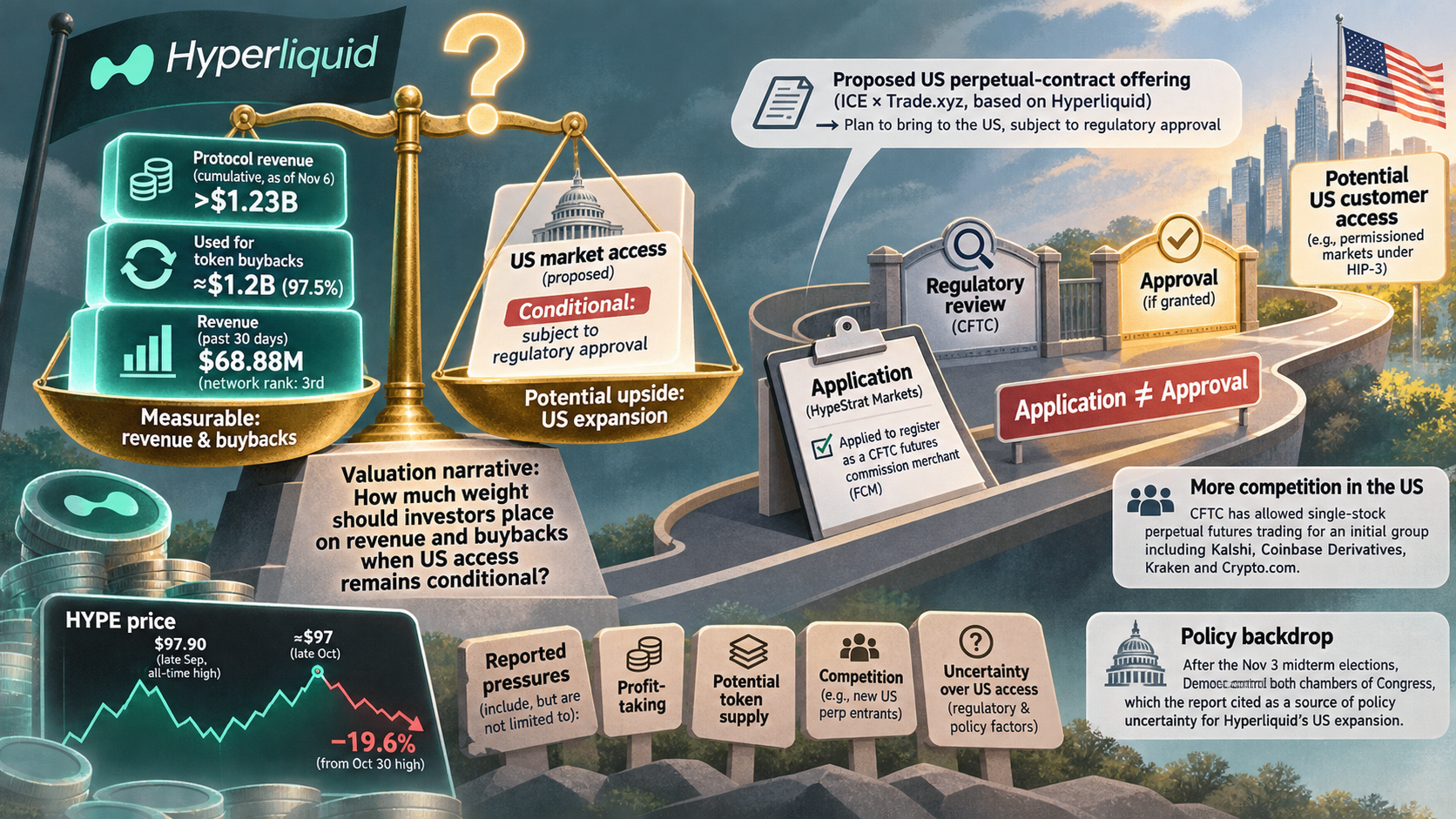
The report also said HypeStrat Markets, a subsidiary of HYPE treasury company Hyperliquid Strategies, had applied to register as a Commodity Futures Trading Commission futures commission merchant. If approved, it could carry US customer accounts for permissioned markets deployed under HIP-3. An application is not an approval. PANews further reported that the CFTC had allowed single-stock perpetual futures trading for an initial group including Kalshi, Coinbase Derivatives, Kraken and Crypto.com—potential competition if Hyperliquid gains comparable access.
The original report linked uncertainty over US expansion to the political landscape following the November 3 midterm elections, which it said gave Democrats control of both chambers of Congress. That is a policy-risk argument, not evidence that any particular Hyperliquid approval or legislation had changed. Hyperliquid founder Jeff described the project in a recent interview as an attempt to build a financial network rather than merely an exchange. Whether that ambition becomes regulated US infrastructure remains separate from the revenue and buyback figures already reported.