As reported on November 18, 2026, Bitcoin had recently traded around $64,000 or lower—roughly 50% below its high—without a clear rebound in dip-buying, according to Bloomberg. Glassnode’s on-chain measures showed mounting pressure, but they do not establish why buyers remained on the sidelines.
What the on-chain measures show
Glassnode estimated that about half of circulating Bitcoin was held at an unrealized loss, using the price at which each coin last moved on-chain as its cost basis. When Bitcoin closed at $86,600 in late September, the share was less than one-quarter. An on-chain transfer does not necessarily mean a sale, so this measure is not a count of investors who sold at a loss.
For Bitcoin transferred on November 15, the aggregate dollar value of losses was about 5.6 times that of profits—the widest gap since mid-July. The ratio of short-term to long-term holdings also reached its highest level since late February, while long-term holdings fell by 112,000 BTC over roughly a month.
Liquidity signals and an unproven explanation
Over the 30 days through November 15, the stablecoin supply tracked by Glassnode fell by about $16.5 billion, chiefly in USDT and USDC; declines in both balances were concentrated on trading platforms. U.S. spot Bitcoin ETFs recorded more than $850 million in net outflows over the preceding week. Bloomberg noted that the decline began before the weekend’s forced liquidations and that rising U.S. Treasury yields and a stronger dollar also weighed on the market.
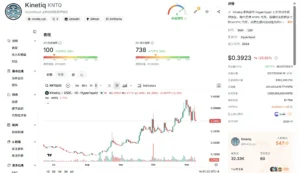
Crypto traders’ interest in a potential Anthropic IPO has drawn attention, but a shift of funding from crypto assets to IPO-related positions has not been demonstrated. Two Hyperliquid contracts tied to Anthropic’s valuation had combined open interest above $334 million. Although many participants had previously traded major cryptocurrency futures, the available data do not show whether they sold crypto assets to fund those positions. Binance co-founder Changpeng Zhao listed a move toward an Anthropic IPO among possible explanations for falling crypto prices, while stressing that correlation does not establish causation.